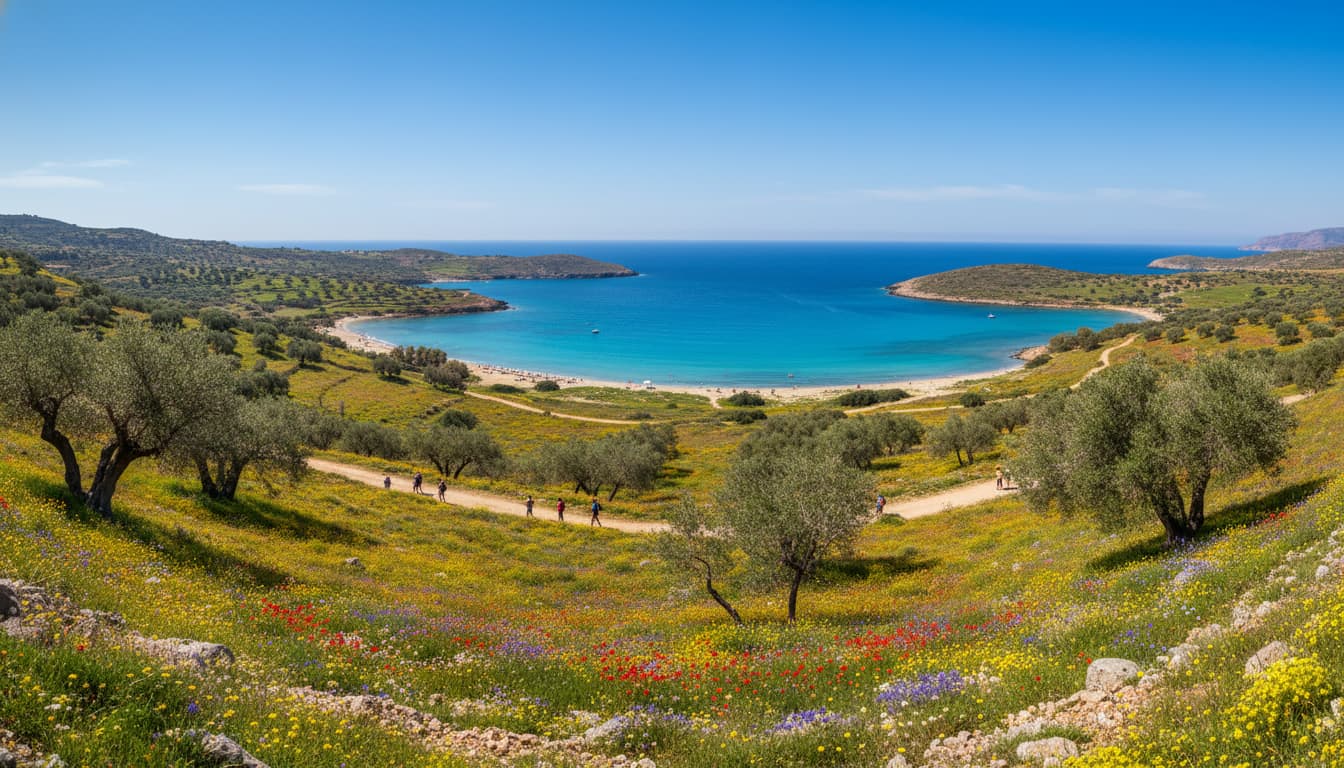
When to Go to Crete to Enjoy the Best Weather in 2025
In short, what you will discover in this article: the best time to go to Crete according to the climate, tourist flow, and seasonal activities. You will benefit from practical tips to fully enjoy your stay without facing extreme weather or crowds.
1. Understanding the climate in Crete by month
Crete has a Mediterranean climate with hot, dry summers and mild but sometimes rainy winters. To choose when to go to Crete, you should consider:
- Average temperatures: they range from 10 °C in January to nearly 30 °C in August.
- Rainfall: September to April can experience rainy spells, especially in April.
- Water temperature: ideal for swimming from June to September with 23–26 °C.
Thus, the ideal weather to visit Crete is outside the summer heat peaks and the wettest periods. Spring and autumn appear as particularly balanced seasons for this.
2. Tourist seasons in Crete and their impact
The tourist season in Crete is divided into three main periods:
- High season (late June to September): ideal for swimming and coastal life, but crowds increase significantly.
- Shoulder season (April to June and September to October): a quieter period, with pleasant weather for activities like hiking.
- Low season (November to March): cooler temperatures and possible rain limit outdoor activities and tourist visits.
Therefore, the best time to visit Crete is the shoulder season, which combines mild weather, fewer crowds, and the gradual reopening of tourist services.
3. Benefits and tips for visiting Crete in spring or autumn
Choosing to travel to Crete in spring (April to June) or autumn (September to October) offers several advantages:
- Mild climate: pleasant temperatures to explore the island, neither too hot nor too cold.
- Less crowded: you avoid the summer crowds, which is great for beaches and hiking.
- Varied activities: the chance to combine cultural visits, hikes in the gorges, and relaxation on the coast.
- Local events: traditional festivals are often held during this time.
To maximize your experience, remember to check opening hours and seasonal closures of sites and restaurants, as some may close in winter. These are essential tips for traveling to Crete according to the season.
4. Months to avoid in Crete depending on your travel plans
Certain periods are not recommended, notably:
- December to February: temperatures are cooler, the sea too cold for swimming, and rainfall is more frequent.
- July and August: the heat can be intense, especially inland, and tourist areas are very busy.
Booking your trip outside these months contributes to optimal comfort and better budget management.
5. Activities and practical tips according to the season
To fully enjoy your stay, adapt your activities to the season chosen. Here's how to make the most of it:
-
Spring / autumn:
- Hiking in the Samaria or Agia Irini gorges, which benefit from ideal conditions.
- Cultural and archaeological visits without the crowds of the high holidays.
- Wildlife discovery, especially the nesting of sea turtles in the south.
-
Summer:
- Enjoy the paradise beaches for swimming and water sports.
- Take part in seaside events and local festivals.
-
Winter:
- Explore traditional towns and villages, but keep in mind the sometimes unpredictable weather.
For optimal planning, you can consult a complete itinerary at https://rakadiko.com/blog/itineraire-1-semaine-crete that integrates the best periods and activities.
List of tips for choosing your travel period in Crete
- Avoid months that are too hot or rainy for a better experience.
- Favor spring or autumn for a good climate/crowd balance.
- Check the opening of tourist sites and restaurants off-season.
- Adapt your activities to the period to enjoy them without constraints.
- Book accommodation in advance if traveling in high season.
To complement these tips, feel free to discover what you can do in Crete during each season at https://rakadiko.com/blog/que-faire-en-crete.
6. Conclusion
To choose when to go to Crete, prioritize spring or autumn, offering pleasant weather, fewer tourists, and a wide range of activities. This strategy ensures a successful, comfortable, and discovery-filled trip. To prepare your journey, also explore where to stay in Crete to optimize your stay based on the season that suits you best: https://rakadiko.com/blog/ou-dormir-en-crete.
For further insights and to refine your plan, the Routard page offers a great expert summary of the best tourist windows with precise advice on climate and activities: Routard – When to Go to Crete.
Discover the best time to fully enjoy Crete, between sun, nature, and authenticity. To make your stay unforgettable, consider preparing your itinerary and selecting activities suited to your travel season.
Questions fréquentes
What is the best season to visit Crete?
Spring (April to June) and autumn (September to October) are ideal. These seasons offer mild weather, fewer tourists, and many activities, avoiding the intense summer heat and winter rains.
Why avoid July and August for a trip to Crete?
July and August are very hot months, with temperatures reaching nearly 30 °C. Additionally, these periods attract many tourists, making beaches and sites more crowded and less pleasant.
What are the advantages of the shoulder season in Crete?
The shoulder season, from April to June and September to October, combines mild climate, low tourist crowds, and progressive reopening of services. It’s perfect for fully enjoying activities like hiking or cultural visits.
Which months should be avoided when visiting Crete?
It is advisable to avoid December to February due to cold, frequent rain, and the sea being too cold for swimming. This period also limits outdoor activities and the availability of tourist services.
How to adapt your activities according to the season in Crete?
In spring and autumn, prioritize hiking and cultural visits. In summer, focus on beaches and water sports. Winter is better for exploring towns and villages, although the weather can be unpredictable.
À propos de l'auteur

Lucas Morel
Voyageur passionné et amoureux de la Crète, j'explore l'île depuis plus de dix ans pour en découvrir ses trésors cachés. Grâce à mon expérience terrain, je partage des recommandations précises sur les meilleurs campings, restaurants et lieux incontournables. Mon objectif est d'offrir aux voyageurs des conseils pratiques et authentiques pour profiter pleinement de leur séjour en Crète. Curieux et attentif, je veille à transmettre un contenu à la fois fiable et accessible, pour que chacun puisse organiser un voyage sur mesure et enrichissant.
Articles similaires
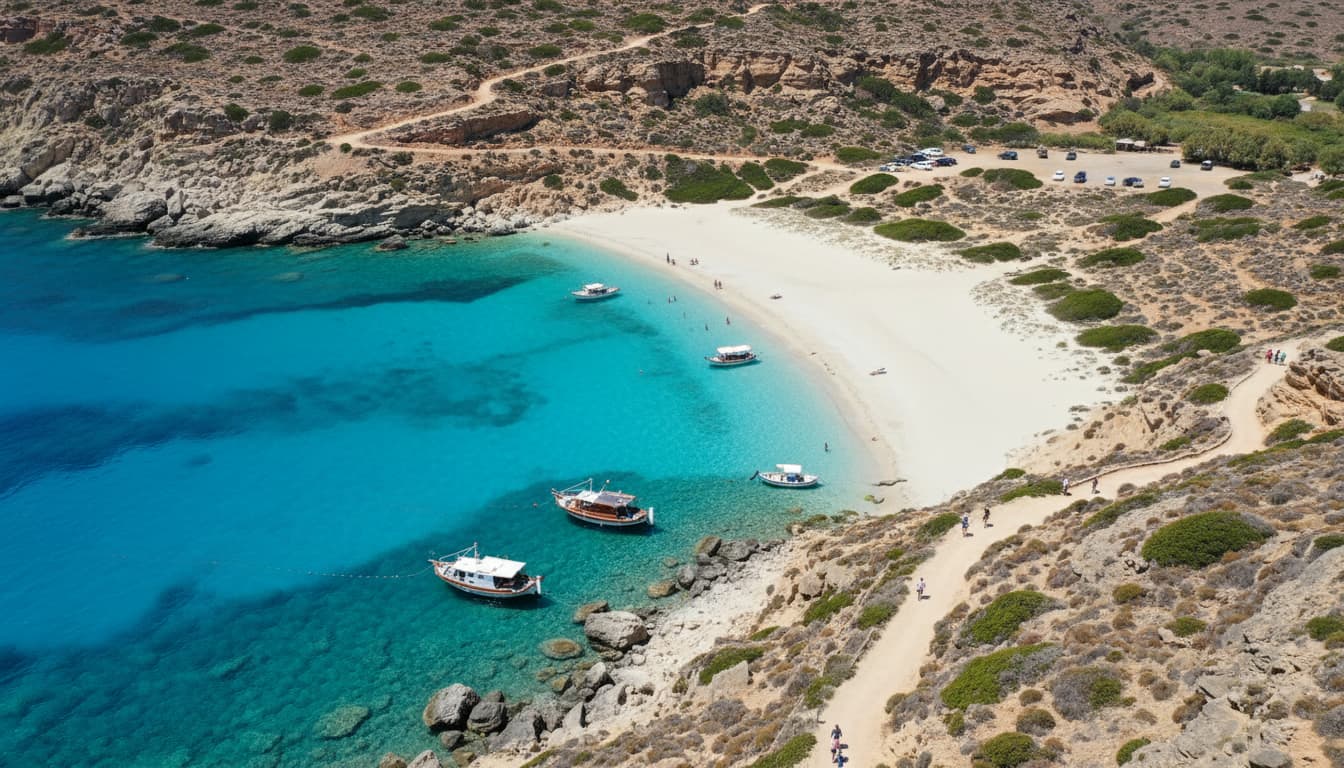
Comment aller à la plage Balos en Crète en 2025
Découvrez comment aller à la plage Balos en Crète en 2025 avec notre guide complet des transports, trajets et conseils pratiques pour profiter au mieux de votre visite.
Lire la suite
Location de voiture en Crète conseils pratiques 2025
Découvrez les meilleurs conseils pour la location de voiture en Crète en 2025, avec tarifs, options et précautions pour un voyage réussi.
Lire la suite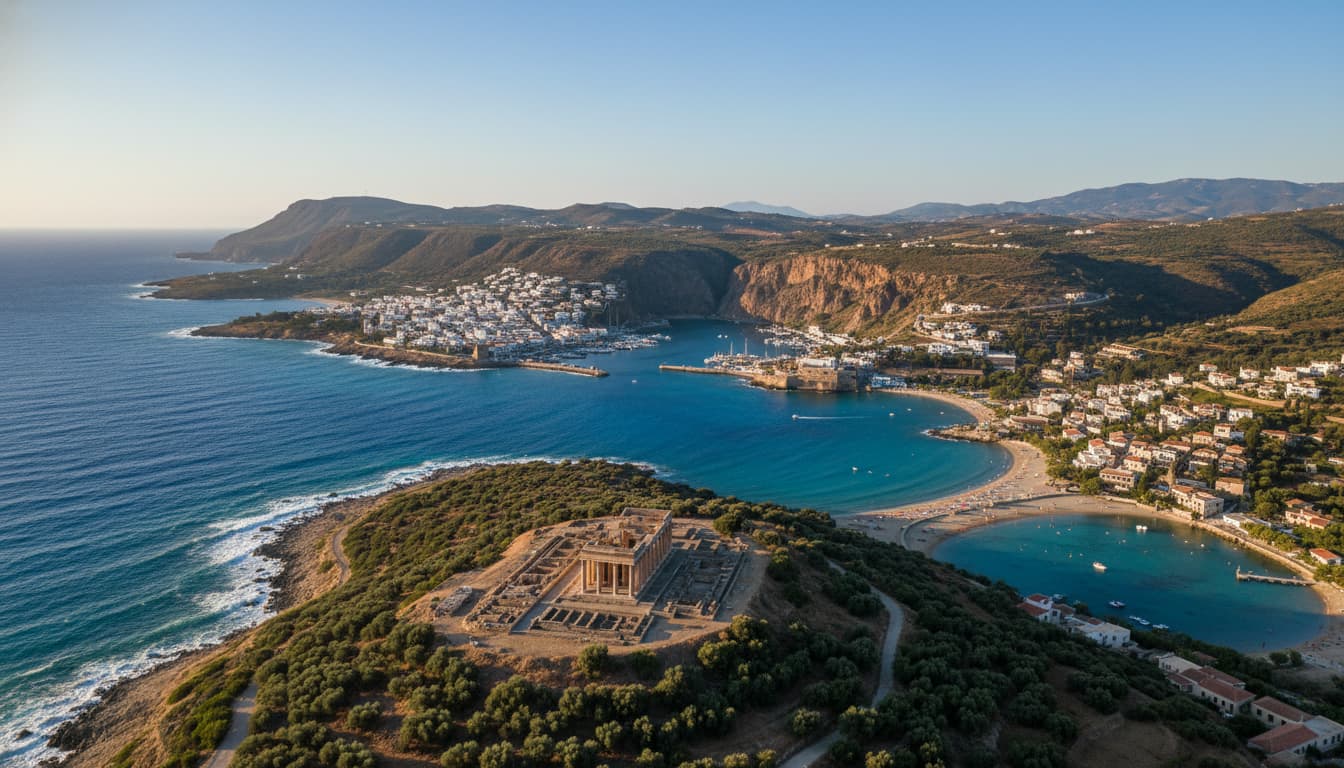
Itinéraire 1 semaine en Crète : guide complet 2025
Découvrez l’itinéraire idéal pour une semaine en Crète avec les meilleures étapes, activités et conseils pratiques pour un voyage réussi en 2025.
Lire la suite