Planning a Trip to Crete in 2025: Practical Tips
07/12/2025
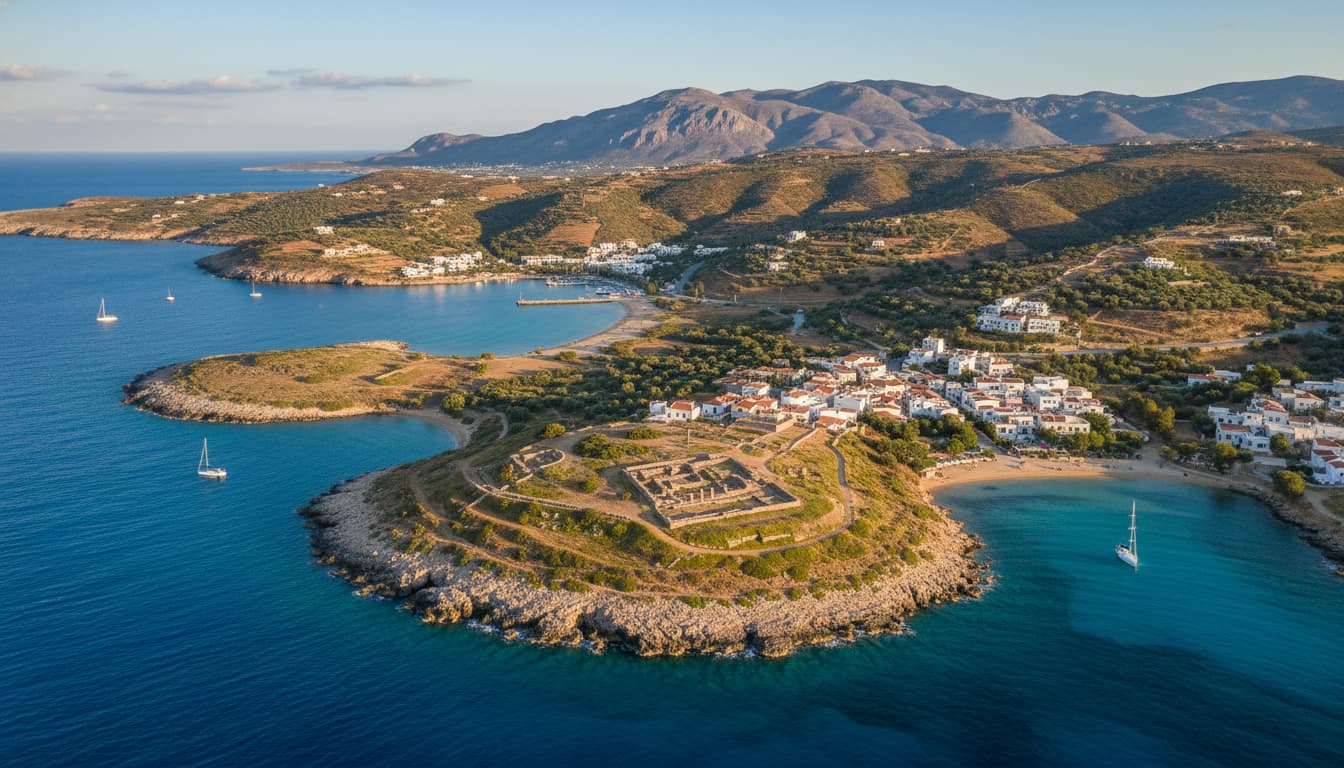
In short, what you will find in this article: a complete guide to planning your trip to Crete with practical advice, itineraries, accommodations, activities, and tips to make the most of this Greek island rich in history and scenery.
1. Why Go to Crete
Crete is a unique destination combining idyllic beaches, impressive mountains, renowned archaeological sites, and a rich culture. This perfect balance of nature and heritage makes it a must-visit island for any traveler seeking authenticity and diversity. Whether you're a hiking enthusiast, history buff, or simply a fan of relaxing, Crete offers experiences tailored to all profiles.
Its Mediterranean climate, acclaimed gastronomy, and traditional villages are also major attractions that charm visitors. A trip to Crete promises a fascinating immersion, blending relaxation with cultural discoveries.
2. When to Go to Crete
Choosing the right time for a stay in Crete depends on your expectations regarding climate, tourist crowds, and desired activities.
2.1 Month-by-Month Table: Weather, Crowds, Recommended Activities
| Month | Average Temperature | Tourist Crowds | Recommended Activities |
|---|---|---|---|
| January-February | 12-15°C | Low | Cultural exploration, gentle hikes |
| March-April | 15-20°C | Moderate | Hiking, village visits, festivals |
| May | 20-25°C | Moderate | Beaches, excursions, water activities |
| June | 25-30°C | High | Beaches, morning hikes, local festivals |
| July-August | 30-35°C | Very High | Beaches and swimming, evening strolls |
| September | 25-30°C | High | Beaches, hikes, cultural visits |
| October | 20-25°C | Moderate | Hiking, gastronomic discovery |
| November-December | 15-20°C | Low | Visits, walks, calm |
3. Formalities & Safety
Before leaving, it is crucial to check the necessary documents and health precautions.
3.1 Driver’s License, Car Insurance, Useful Documents
For driving in Crete, a national driver’s license is sufficient for European tourists. Be sure to get suitable car insurance, especially if renting a vehicle, to cover all possibilities on the island’s sometimes winding roads. Don’t forget your valid ID card or passport and international health insurance for a worry-free stay.
4. Budget & Travel Costs
It is important to have a clear idea of expenses to avoid unpleasant surprises.
4.1 Accommodation, Meals, Transport, Activities — Daily Budget
- Accommodation: Camping or guesthouse starting at €25/night; 3-star hotels between €50 and €80; private villas are more expensive.
- Meals: Expect €10-20 for a meal in a local tavern, more in tourist restaurants.
- Transport: Car rental averages €30-50/day; local buses are very economical (around €2-3 per trip).
- Activities: Museum or archaeological site entries about €5-10; boat excursions between €20-50.
On average, a daily budget between €60 and €100 is reasonable for a comfortable stay.
5. Getting Around Crete
5.1 Heraklion Airport: Arrivals, Transfers, and Airport Taxes
Heraklion Airport is the main entry point for international flights. It is well served, with shuttles and taxis available. Keep in mind airport taxes are included in your ticket prices. Organized transfers make arrival easier, especially to get directly to your accommodation.
5.2 Car Rental: Tips, Roads, Parking
Car rental in Crete is highly recommended to explore the island at your own pace. Main roads are in good condition, but caution is needed on mountain paths. For parking, prefer lots outside historic town centers such as Heraklion or Chania, where spots are often limited.
6. Where to Stay: By Region and Traveler Type
6.1 Recommended Accommodations in Heraklion, Chania, Agios Nikolaos
- Heraklion: ideal for culture and history lovers, close to the port and archaeological sites.
- Chania: charming town with a picturesque old town, perfect for a romantic or seaside stay.
- Agios Nikolaos: seaside resort offering beaches and tranquility, suitable for families.
6.2 Unique Options: Agritourism, Guesthouses, Villas
For an authentic experience, stay with locals in guesthouses or go for agritourism to immerse yourself in Cretan lifestyle. Private villas with pools offer high-end comfort.
7. Recommended Itineraries (Roadtrips and Typical Stays)
7.1 7-Day Itinerary (Highlights & Map)
- Day 1: Heraklion – visit the archaeological museum and Knossos Palace.
- Day 2: Chania – explore the old town and Venetian harbor.
- Day 3: Crete Beaches – Balos and Elafonissi.
- Day 4: Hiking in the Samaria Gorge.
- Day 5: Agios Nikolaos – strolls and beaches.
- Day 6: Lassithi Plateau – traditional villages and crafts.
- Day 7: Return to Heraklion, shopping and relaxation.
7.2 10/14-Day Itinerary (Additions, Excursions, Pace)
For a longer stay, add visits to monasteries, boat trips to neighboring islands, and more hikes.
7.3 Suggested Roadtrip: Route, Mileage, Key Stops
A 10-day roadtrip can cover about 700 km, combining beaches, mountains, and historic centers.
8. Must-Sees by Region
8.1 Heraklion: Museums, Archaeological Sites
Don’t miss Knossos Palace and the archaeological museum, key to Crete’s cultural heritage.
8.2 Chania: Old Town, Nearby Beaches
A maze of alleys, colorful markets, and nearby beaches like Falassarna.
8.3 Agios Nikolaos and the East Coast
Lively town with a beautiful port and the famous Voulisma beach.
8.4 Paleochora, Lassithi Plateau, Arkadi Monastery
Less touristy areas, perfect for those seeking authenticity.
8.5 Samaria Gorge: Preparation and Hiking Tips
Be well equipped and start early for this beautiful, challenging hike.
9. Beaches and Water Activities
Crete’s beaches are diverse: from fine sandy stretches to secluded coves. Diving, snorkeling, and boat excursions are very popular, with local professionals offering various packages.
10. Culture & Gastronomy
10.1 Recipes / Specialties to Try, Best Taverns
Don’t miss Cretan cuisine with dishes like dakos, graviera cheese, or local honey. For variety, family-run taverns offer authentic flavors away from tourist traps.
10.2 Festivals and Local Events Not to Miss
Traditional festivals mark the year, featuring music, dancing, and tastings.
11. Practical Tips & Pitfalls to Avoid
11.1 Reservations, Deals, Maps, and Tickets
Book accommodations and car rentals in advance during high season. Use tourist maps to optimize your visits.
11.2 Advice for Families, Seniors, and Solo Travelers
Prefer quiet areas and suitable accommodations, and inform yourself about accessibility, especially in mountainous zones.
12. Original and Offbeat Ideas
12.1 Less Visited Places, Agritourism Experiences, Responsible Travel
Explore inland villages, take part in farm tours or practice responsible tourism for an authentic contact.
13. Conclusion & Preparation Checklist
In summary, a trip to Crete blends culture, nature, and gastronomy in a warm and welcoming atmosphere. Plan your stay carefully considering seasons, budget, and routes to fully enjoy the island. For further organization, the complete Crete guide on Rakadiko.com provides all essential information.
Don’t wait any longer, start preparing your Cretan adventure for an unforgettable stay!
For practical and visual tips, the recent video from the Globe Trotter channel offers a comprehensive overview of Crete’s must-sees and travel tips.
<Video title="Trip to Crete: Tips and Must-Sees" src="https://www.youtube.com/watch?v=abcd1234efg" />

Lucas Morel
Voyageur passionné et amoureux de la Crète, j'explore l'île depuis plus de dix ans pour en découvrir ses trésors cachés. Grâce à mon expérience terrain, je partage des recommandations précises sur les meilleurs campings, restaurants et lieux incontournables. Mon objectif est d'offrir aux voyageurs des conseils pratiques et authentiques pour profiter pleinement de leur séjour en Crète. Curieux et attentif, je veille à transmettre un contenu à la fois fiable et accessible, pour que chacun puisse organiser un voyage sur mesure et enrichissant.