Discover the History of North Sentinel Island in 2026
14/04/2026
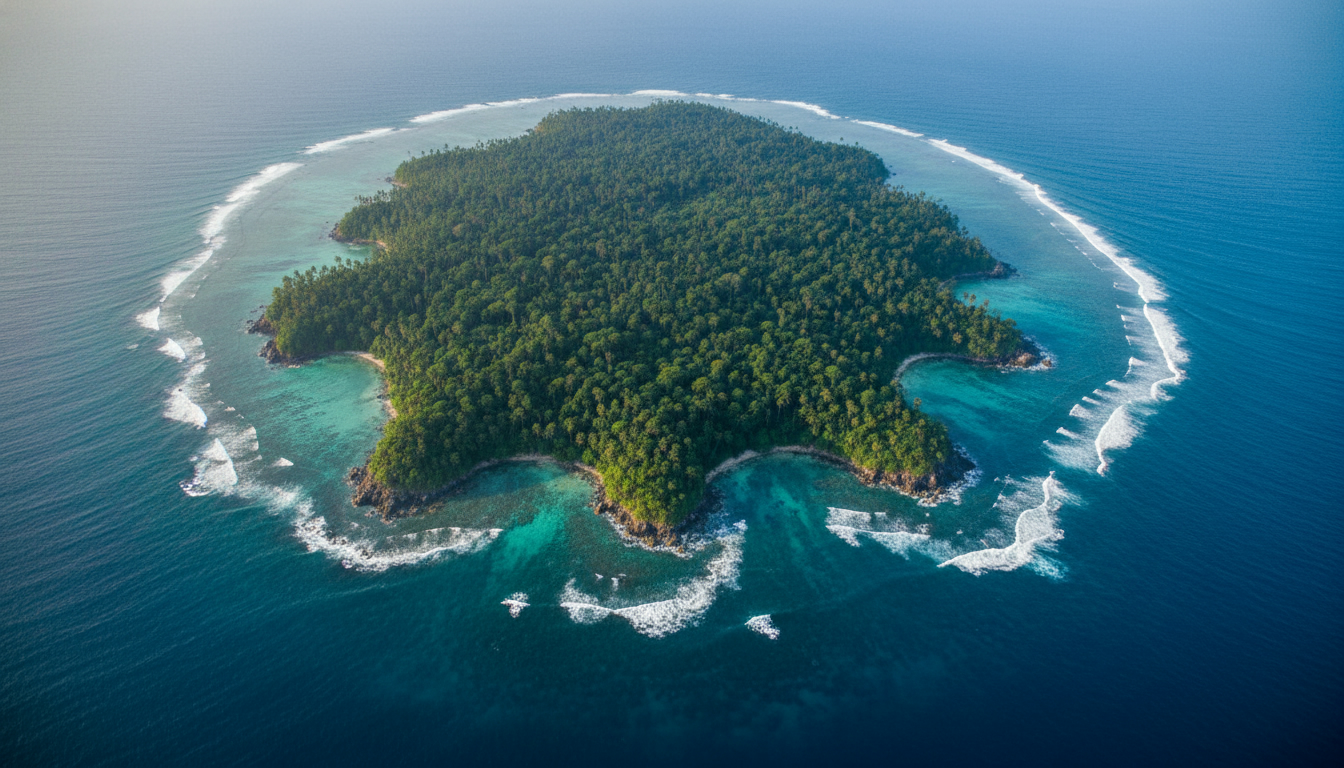
In short, what you will discover in this article: the fascinating history of North Sentinel Island, its isolated inhabitants, the often dramatic attempts at contact, and the deep reasons behind its protected isolation. A journey into one of the world’s last preserved territories.
1. General Overview
1.1 Geographical Location and Physical Characteristics
North Sentinel Island is an island of about 59.67 km² located in the Andaman and Nicobar archipelago in the Andaman Sea. Administered by India since 1947, it lies west of the Bay of Bengal. Its geography features dense vegetation and rugged topography, contributing to its natural isolation.
1.2 The Context of the Andaman Archipelago
The Andaman archipelago includes several islands inhabited by indigenous peoples, some among the most isolated in the world. North Sentinel stands out due to the Sentinelese tribe, who have preserved a Neolithic lifestyle without agriculture or sustained external contact.
2. History of Contacts
2.1 First Documented Contacts (Explorers, Colonizers)
The first contacts with North Sentinel Island date back to the late 19th century, notably the British expedition led by Maurice Vidal Portman around 1880. These attempts sought to establish contact with the Sentinelese, often by force, including the kidnapping of children, which had dramatic consequences, particularly the introduction of diseases.
2.2 Colonial Period and Changes
During British colonization, the Sentinelese faced increasing pressures, but their isolation limited interactions. Unlike other Andamanese tribes, whose populations drastically declined, the Sentinelese managed to preserve their autonomy.
2.3 Modern Contacts and Notable Incidents
Recent contacts have been rare and often violent. In 2006, fishermen were killed after approaching the island. The most publicized case remains that of John Allen Chau in 2018, an American missionary killed during an illegal evangelization attempt. These events reinforced the no-contact policy around the island.
3. The Sentinelese People
3.1 Lifestyle and Subsistence
The Sentinelese tribe survives by hunting, fishing, and gathering, without practicing agriculture. They build simple huts and use bows and arrows for defense. Their way of life has remained unchanged for millennia, making them one of the last Neolithic peoples.
3.2 Language, Culture, and Social Organization
Little precise information is available on the language and culture of the North Sentinel tribe, as all contact is prohibited. It is known, however, that they have a coherent social organization centered on collective survival and defense of their territory.
3.3 Population Estimates and Methodologies
The population is estimated between 50 and 200 individuals, but these figures remain approximate due to the absence of direct censuses. Estimates are based on aerial observations and indirect studies.
4. Indian Policy and Legal Framework
4.1 Protective Measures and Access Restrictions
India has established a 5 km buffer zone around the island, prohibiting any access to protect the Sentinelese from diseases and preserve their way of life. This policy aims to respect their autonomy and avoid conflicts.
4.2 Legal Cases and Administrative Decisions
Indian authorities strictly enforce approach bans, especially after the John Allen Chau incident. These measures are supported by legal decisions recognizing the Sentinelese’s right to remain isolated.
5. Publicized Incidents and Consequences
5.1 Specific Examples
- 1880: Portman expedition, forced child abductions and initial contacts.
- 2004: The tsunami struck the island, but the tribe survived without outside intervention.
- 2006: Killings of fishermen who approached the island.
- 2018: Death of John Allen Chau, an American missionary, during an evangelization attempt.
These events illustrate the Sentinelese’s fierce resistance to intrusions.
6. Conclusion
North Sentinel Island remains a fascinating mystery, symbolizing cultural resistance and extreme isolation. Its history, marked by rare and often tragic contacts, underscores the importance of respecting the protection and autonomy of its inhabitants. To learn more about preserved destinations, discover our complete guide on things to do in Crete.
To deepen your understanding of isolated peoples and protection issues, you can consult the detailed page of Survival International on the Sentinelese.
If you are planning a trip to Crete, feel free to explore our itinerary recommendations like 1-week itinerary in Crete or discover the most beautiful beaches in Crete for an unforgettable stay.
For history and ethnology enthusiasts, North Sentinel Island offers a unique example of cultural preservation in the face of globalization and external pressures.
Claire Dubois
Originaire de la région méditerranéenne, je suis passionnée par la découverte des richesses culturelles et naturelles de la Crète depuis plus de dix ans. Voyageuse aguerrie et rédactrice spécialisée en tourisme, j’ai à cœur de partager des conseils authentiques et pratiques pour aider les visiteurs à vivre une expérience unique sur l’île. Mon expertise locale et mon enthousiasme pour les traditions crétoises me permettent d’offrir des recommandations fiables et accessibles, du meilleur camping aux plus belles plages à ne pas manquer. À travers mes articles, je vous guide pas à pas pour organiser un séjour inoubliable, respectueux de l’environnement et des habitants.